Pepper Blast, WASP & Aerial-Burst: Choosing Area Dispersal Tools
Area dispersal tools are core to modern less-lethal crowd management and perimeter denial strategies.
These systems fall into two principal camps: targeted devices that deliver concentrated irritants to a specific subject or small group, and area dispersal rounds that aerosolize irritant agents across a zone.
Choosing between pepper-blast devices, 37mm WASP rounds, and aerial-burst pepper requires an assessment of tactical objectives, the environment, and legal constraints.
Understanding area dispersal vs targeted application
Targeted tools, i.e. pepper muzzles and pepper-blast devices, excel when the intent is to safely neutralize a single threat or compel compliance without impacting bystanders.
Area dispersal systems such as WASP and aerial-burst rounds are used when broader coverage is needed: creating space, breaking up formations, or denying access to a corridor.
The trade-off is precision: area tools are less discriminating and increase the likelihood of incidental exposure.
Comparing pepper-blast devices, 37mm WASP and aerial-burst rounds
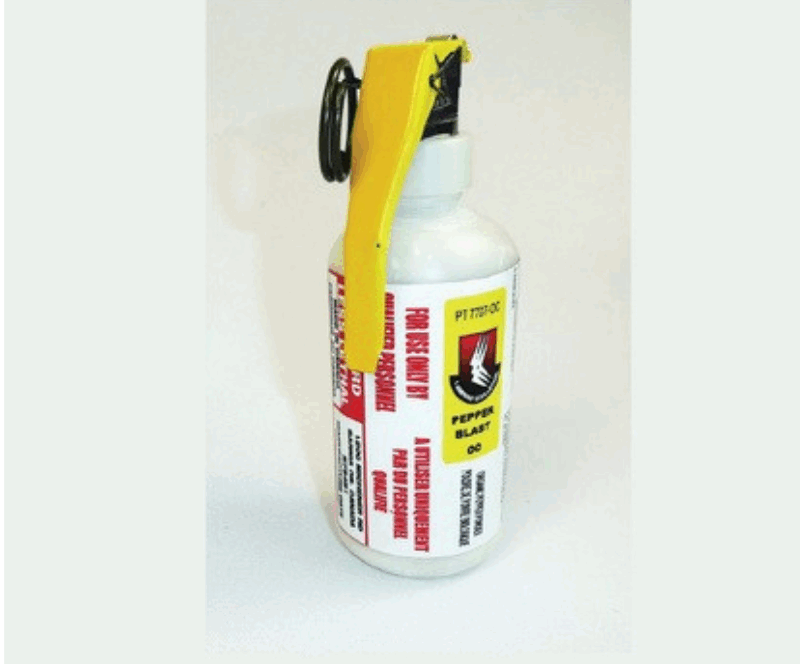
Pepper-blast devices:
Compact and portable, pepper-blast launchers or handheld spray tools deliver concentrated irritant clouds at short ranges. They’re fast to deploy and minimize collateral exposure if used by trained personnel.
37mm WASP rounds:
WASP (Wide Area Stream Payload) rounds are optimized for dispersing an aerosol cloud over an open landscape. They’re popular for crowd control because their height and burst timing can be tuned for optimal spread.
37mm aerial-burst pepper:
Similar to WASP but explicitly designed to burst at altitude, aerial-burst rounds distribute irritants over larger footprints. They are often used to deny entry into areas or drive a crowd away from sensitive sites.
When selecting between these options, factor in the engagement geometry (open plaza versus narrow corridor), prevailing winds, and the presence of vulnerable populations (children, elderly, medical conditions).
For indoor use, avoid aerial-burst or large WASP payloads due to enclosed-space concentration and respiratory risk.
Environmental and safety considerations for area dispersal
Irritants disperse differently depending on particle size, humidity and wind. Vendors should provide dispersion models and test data.
Always review Material Safety Data Sheets and plan for decontamination and ventilation. Avoid aerosolization near HVAC intakes or enclosed spaces where people cannot evacuate quickly.
Procurement and policy tips for responsible deployment
- Buy from reputable suppliers who provide technical specs and MSDS.
- Establish clear SOPs and escalation pathways for usage.
- Track inventory and expiry dates for payloads; chemicals degrade and performance changes over time.
Wrap up: balance mission and safety
Area dispersal is powerful but requires conservative application. When the mission calls for broad coverage, 37mm WASP and aerial-burst rounds are effective; for precision compliance, pepper-blast devices or muzzles reduce collateral impact.
Combine product selection with clear policy and medical contingency plans to keep deployments lawful, effective and humane.
Join the movement towards responsible defence with Less Lethal DefenX. Contact us today to make your force and community safe with our protective tools.
Legal & safety disclaimer: Intended for trained operational teams only. Check federal/provincial regulations and product MSDS before procurement or use.