The use of less lethal weapons in Canada operates within a complex legal and operational framework shaped by federal law, provincial oversight, agency policy, and public accountability standards.
Canadian police agencies increasingly rely on less lethal systems to manage volatile situations while reducing the likelihood of severe injury or fatal outcomes. At the same time,…
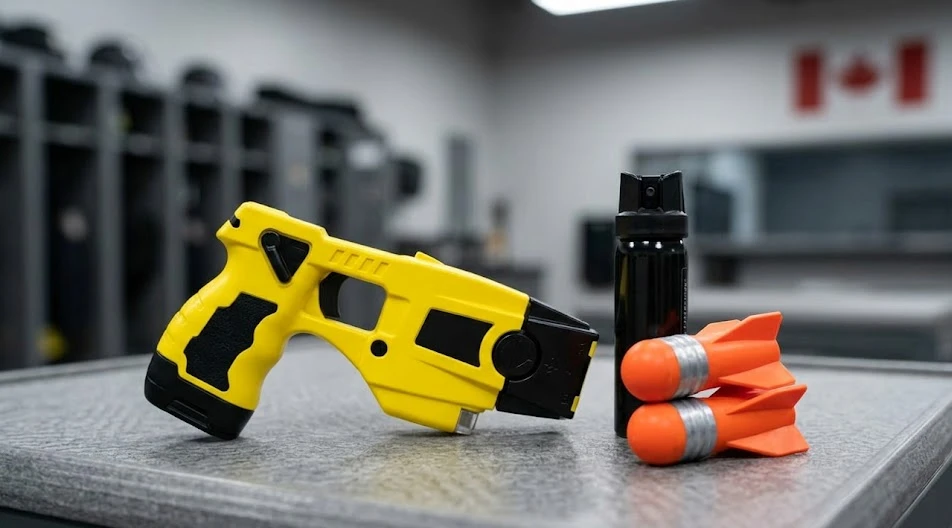
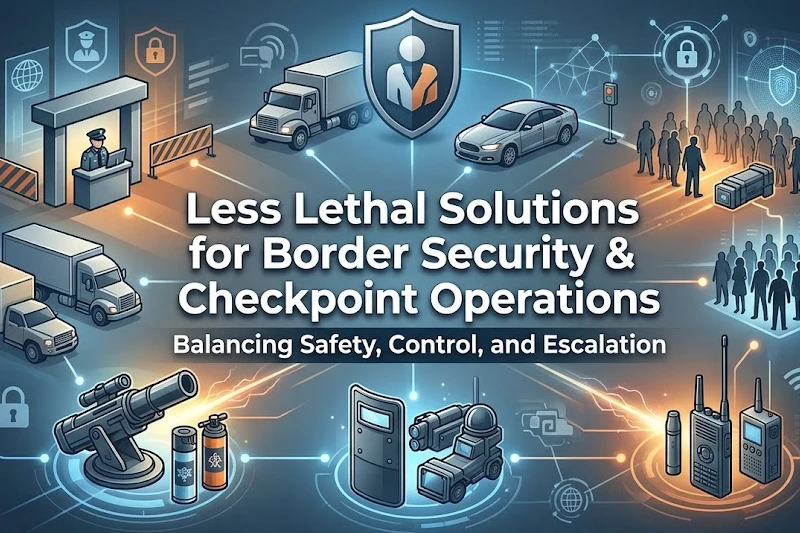
Border security operations require a careful balance between enforcement, mobility control, and operational restraint. Unlike traditional policing environments, border checkpoints and perimeter zones often involve high vehicle traffic, large groups of people, uncertain threat conditions, and rapidly evolving encounters.
In these situations, agencies rely heavily on structured force options that provide control without immediately escalating…
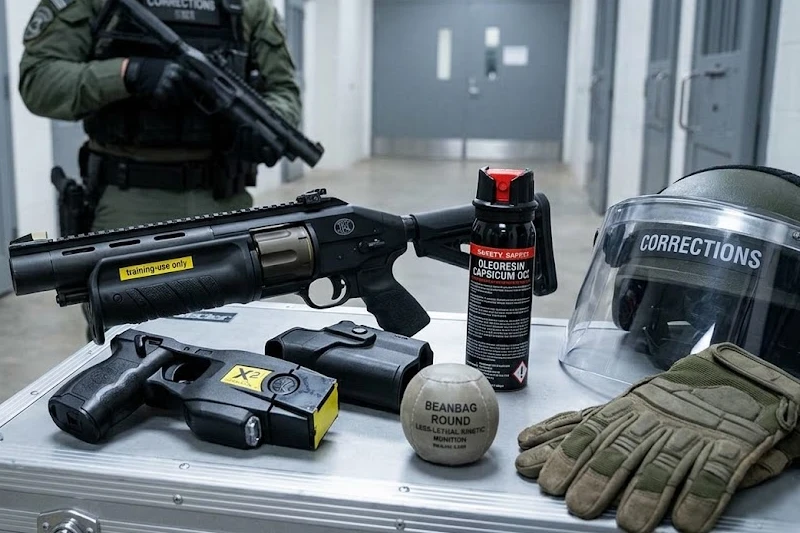
Correctional facilities operate in highly controlled environments where maintaining order requires precision, structure, and measured response.
Unlike street-level policing, correctional operations take place in confined settings where officers must manage unpredictable behaviour within limited physical space. In these conditions, less lethal systems have become essential operational tools.
Modern correctional facilities' less lethal systems provide officers…
Modern law enforcement operates within a structured framework where every use of force must be justified, proportionate, and accountable. Understanding the difference between less lethal vs lethal force is essential for evaluating how agencies respond to threats while maintaining control and minimising harm.
This comparison is not simply about equipment. It reflects a broader system…
Modern tactical operations often require rapid entry into secured environments. In these situations, forcing access through doors must be both effective and controlled. Less lethal breaching rounds provide a specialised solution designed to defeat locks and hinges while reducing the risk of unintended harm.
These rounds fall within a broader category of tactical entry tools…
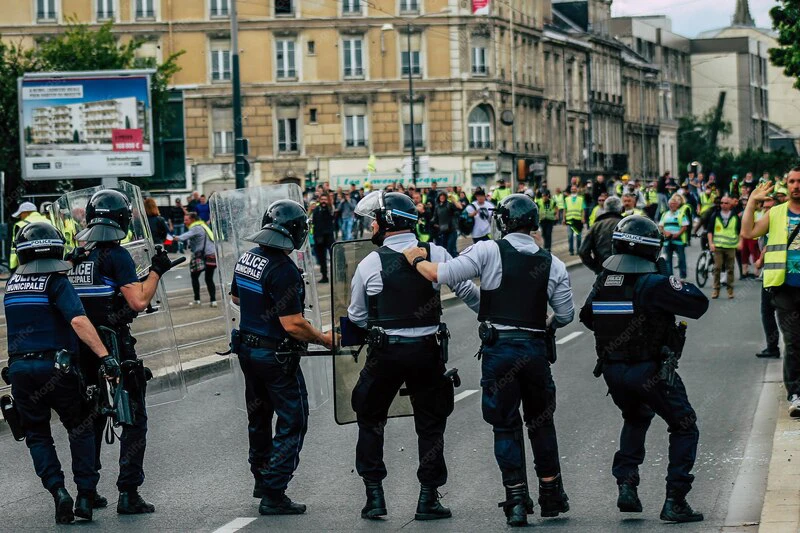
Managing large, unpredictable crowds requires tools that provide control without escalating force unnecessarily. Among the most widely used less lethal crowd control weapons is the 37mm launcher. This platform has become a core component of modern police crowd control tools because it offers flexibility, controlled energy delivery, and scalable response options.
The 37mm launcher for…
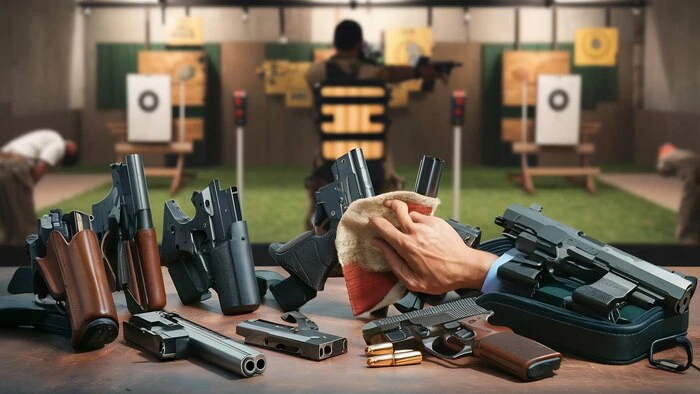
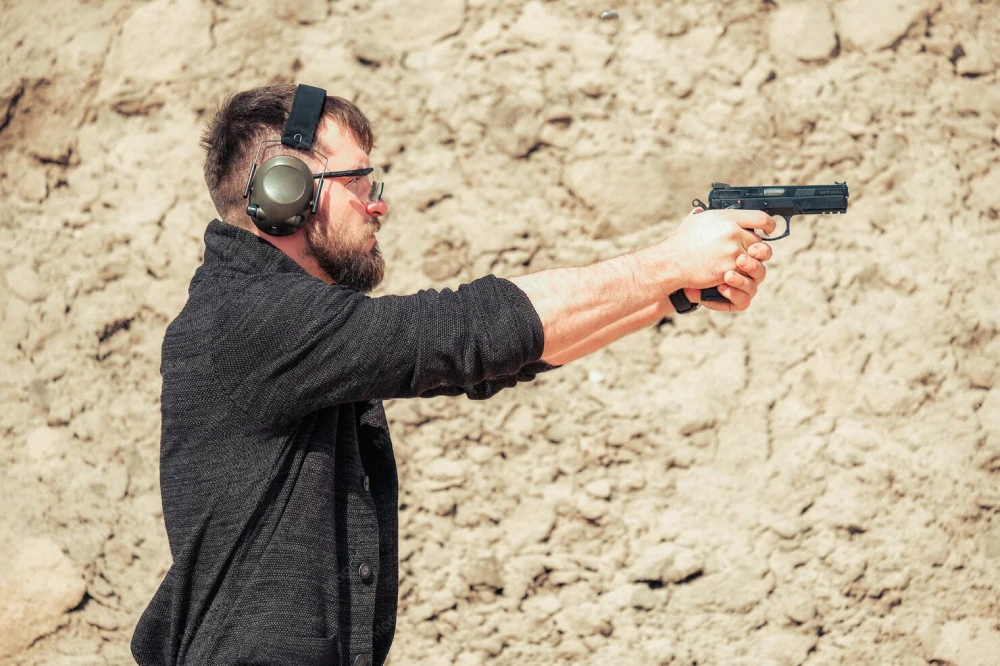
Accuracy with a pistol does not begin with the trigger. It begins with how you hold the firearm. The proper way to hold a pistol determines how well you control recoil, maintain sight alignment, and deliver consistent shot placement. Even small inconsistencies in grip can result in significant deviation on target.
A correct pistol grip…
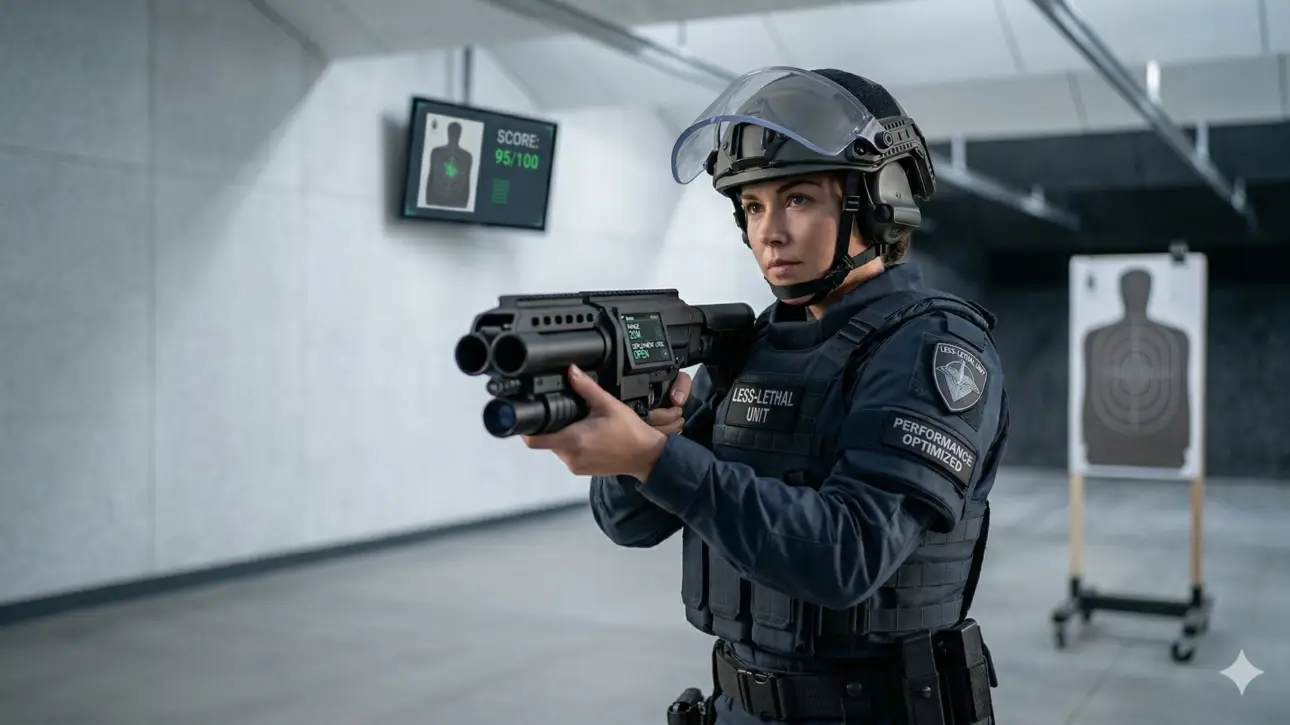
Not all less-lethal systems perform equally well. While many tools fall under the same category, their effectiveness depends on design, engineering, and integration. High-performance systems deliver consistent results, support operational clarity, and reduce uncertainty during deployment.
Understanding what defines a high-performance less-lethal system helps agencies make informed decisions when selecting equipment. It also ensures that…
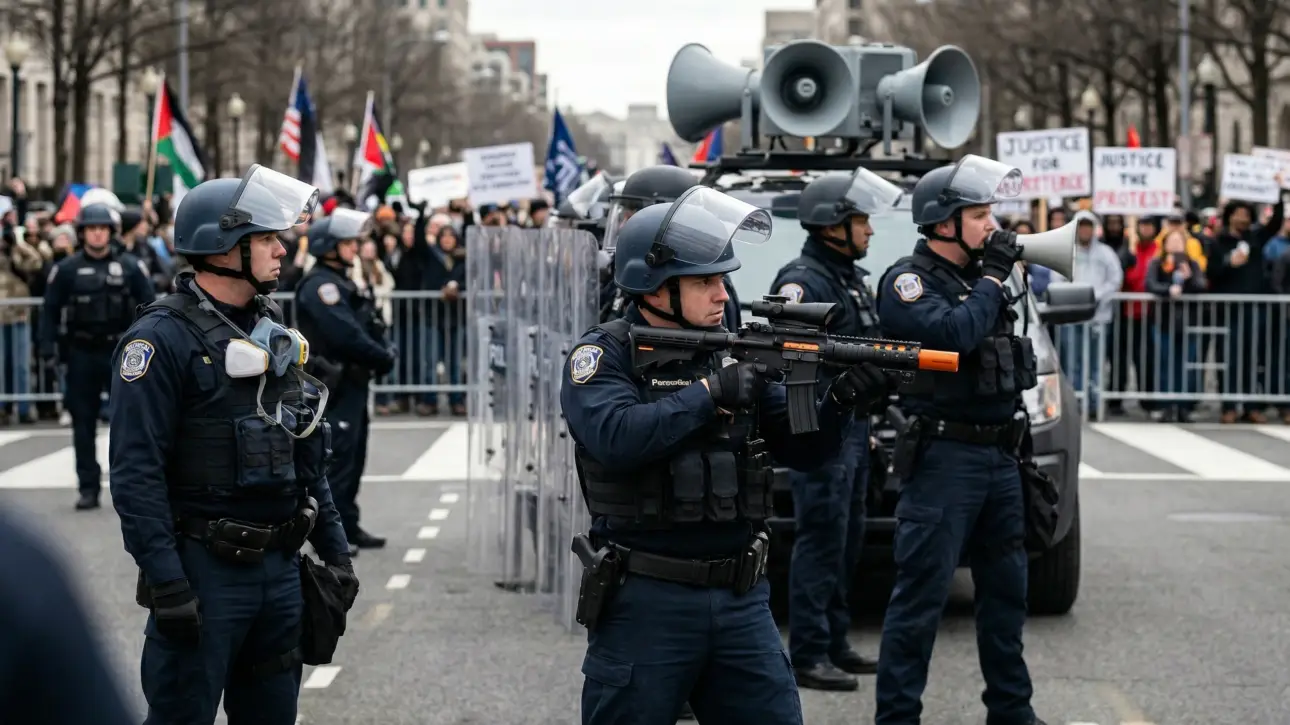
Crowd control has evolved into a structured discipline that requires precision, restraint, and accountability. Security agencies no longer rely solely on physical presence or on concentrating force. Instead, they implement layered strategies that combine planning, communication, and controlled intervention.
Less-lethal technology now plays a central role in this evolution. Modern systems enable agencies to influence…
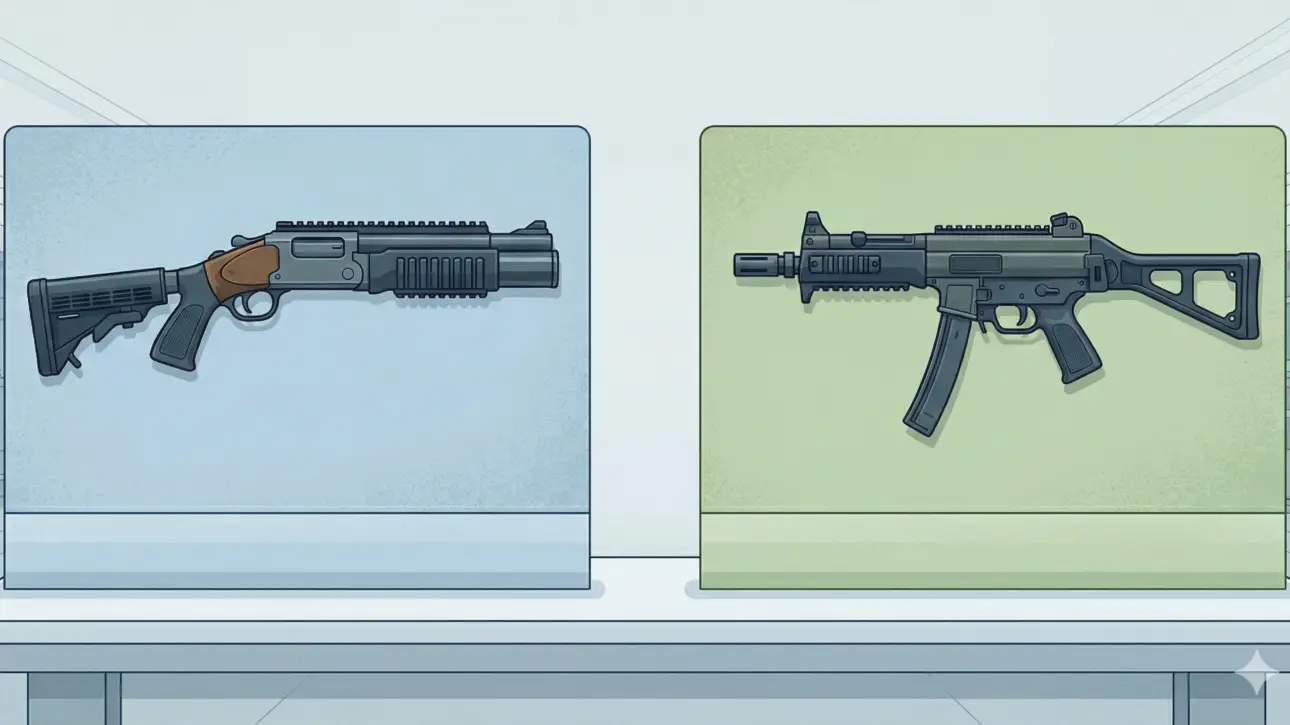
Less-lethal launcher systems have become central to modern operational frameworks where agencies must manage complex situations with precision, control, and accountability.
Among the most widely used platforms are the 37mm launcher system and the 9mm less-lethal system, each designed to deliver specific types of less-lethal launcher ammo for defined operational outcomes.
Selecting between these tactical…