Law enforcement agencies rely on less lethal systems to maintain order, control movement, and reduce risk during high-pressure operations.
These tools offer controlled-force options that help agencies manage crowds, de-escalate volatile situations, and protect personnel.
Effective management of less-lethal systems ensures the tools perform as intended, remain compliant with policy, and align with operational expectations.
This blog post discusses the best practices agencies follow when managing these systems, including procurement, storage protocols, deployment coordination, equipment handling, and post-incident processes.
Understanding the Strategic Role of Less Lethal Systems
Less-lethal weapons play an essential role in structuring tactical responses. They provide a controlled layer of force that fits between visible presence and high-risk intervention.
Their purpose is to help agencies maintain order and influence behaviour with reduced probability of serious injury.
Strategic management begins with understanding its purpose. These tools are not replacements for other systems but part of a larger response structure. They support crowd management, riot control, facility operations, perimeter security, dignitary protection, and high-intensity field operations.
Agencies rely on them because they offer predictable effects that align with defined operational objectives.
Procurement Considerations for Less Lethal Equipment
Before equipment enters service, agencies review several factors:
Performance Consistency
Less lethal munitions deliver predictable results. Consistent velocity, uniform dispersal, stable ignition components, and verified manufacturing quality ensure tools behave as expected.
Compatibility
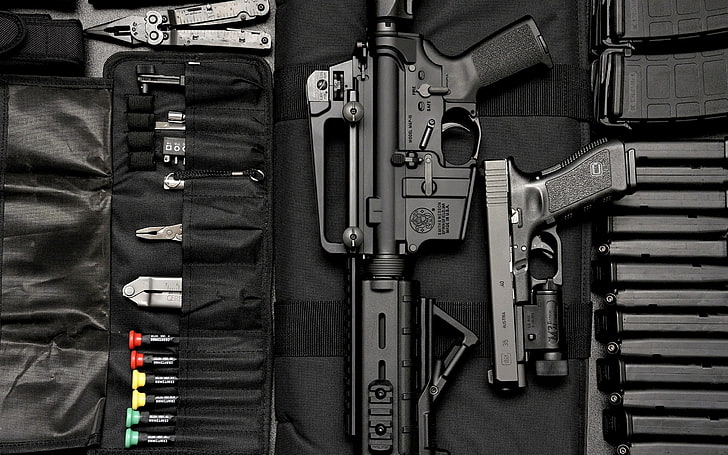
Launchers, munitions, and accessories must be compatible across divisions to reduce confusion during deployment. Standardization helps ensure personnel work with known systems.
Reliability in Adverse Conditions
Weather, crowd pressure, physical stress, and debris affect performance. Agencies select equipment capable of functioning in varied outdoor and indoor environments.
Storage and Handling Protocols
Proper storage extends equipment lifespan and ensures readiness.
Climate Control
Less-lethal munitions perform best when stored under stable temperature and humidity conditions. Controlled storage protects propellant integrity and prevents degradation.
Clear Categorization
Organizing munitions by type, calibre, and intended use prevents mix-ups during operational pressure. Colour coding, labelling, and dedicated storage containers support accuracy.
Regular Equipment Rotation
Agencies rotate stock by manufacturing date and shelf life, so that older munitions are used first in controlled settings.
Deployment Best Practices During Crowd and Riot Operations
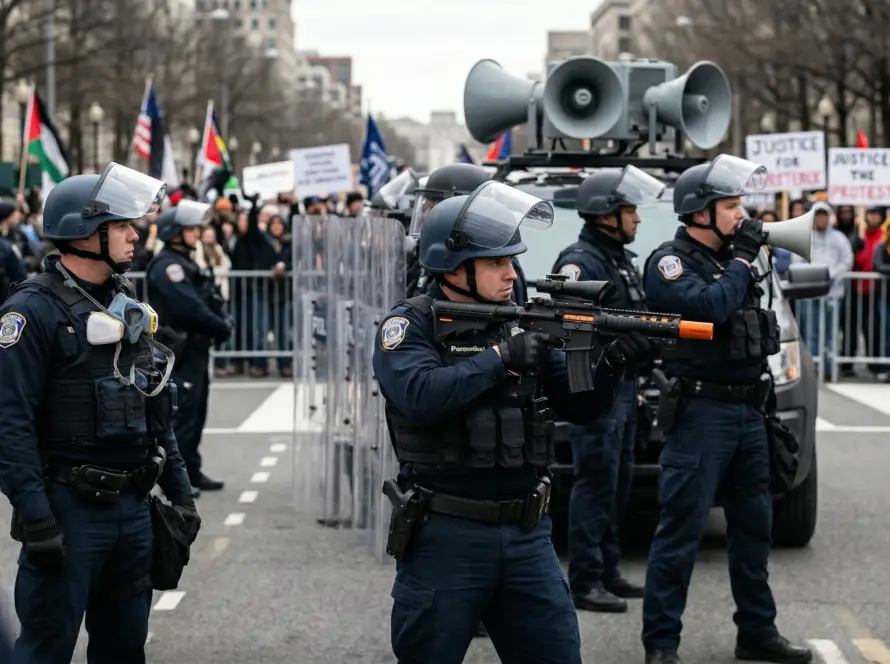
When deployed correctly, less-lethal systems help agencies maintain control in large-scale situations.
Maintaining Standoff Distance
Less lethal tools create a controlled space between personnel and the crowd. This space reduces physical risk and allows for structured movement.
Progressive Application
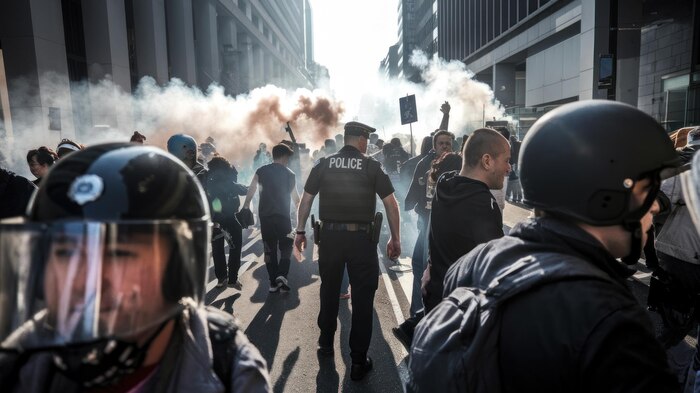
Agencies use less-lethal systems as part of a multi-layered approach. Irritant tools, impact munitions, aerial systems, and acoustic devices each play a different role in guiding behaviour.
Maintaining Public Trust and Operational Integrity
Professional management of less lethal systems supports public confidence. When agencies demonstrate consistent handling, correct documentation, and responsible deployment, it reflects a commitment to safety and accountability.
Less-lethal systems help agencies maintain order during intense or unpredictable events, but their effectiveness depends on thoughtful management.
Clear procedures, strong communication structures, and reliable equipment-handling practices ensure these tools continue to support safe operational environments.
Conclusion
Less lethal weapons are essential components of modern law enforcement operations.
When these systems are overseen with precision and responsibility, they provide agencies with reliable, controlled, and predictable options for maintaining safety and order during complex events.
Contact us today for more information.