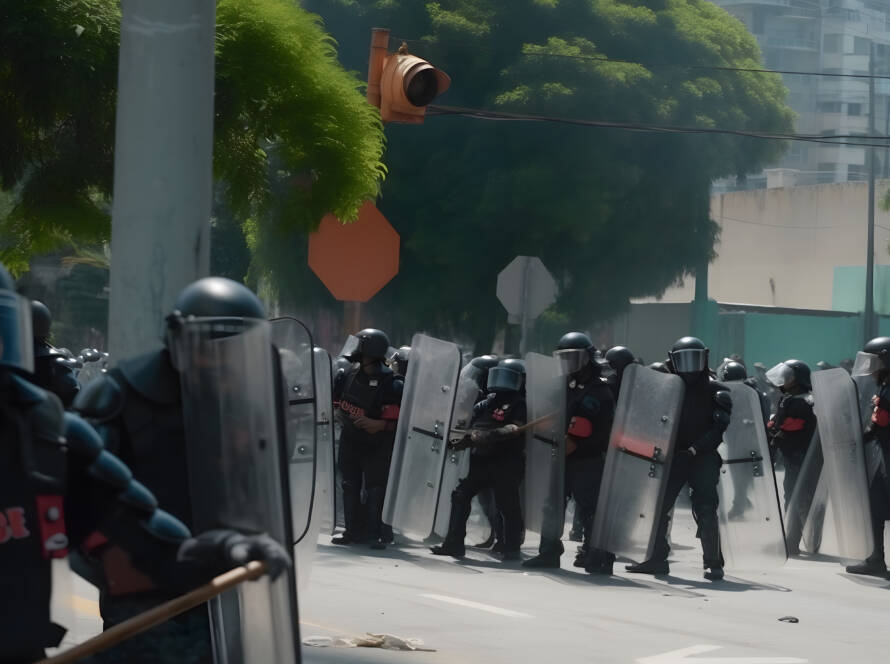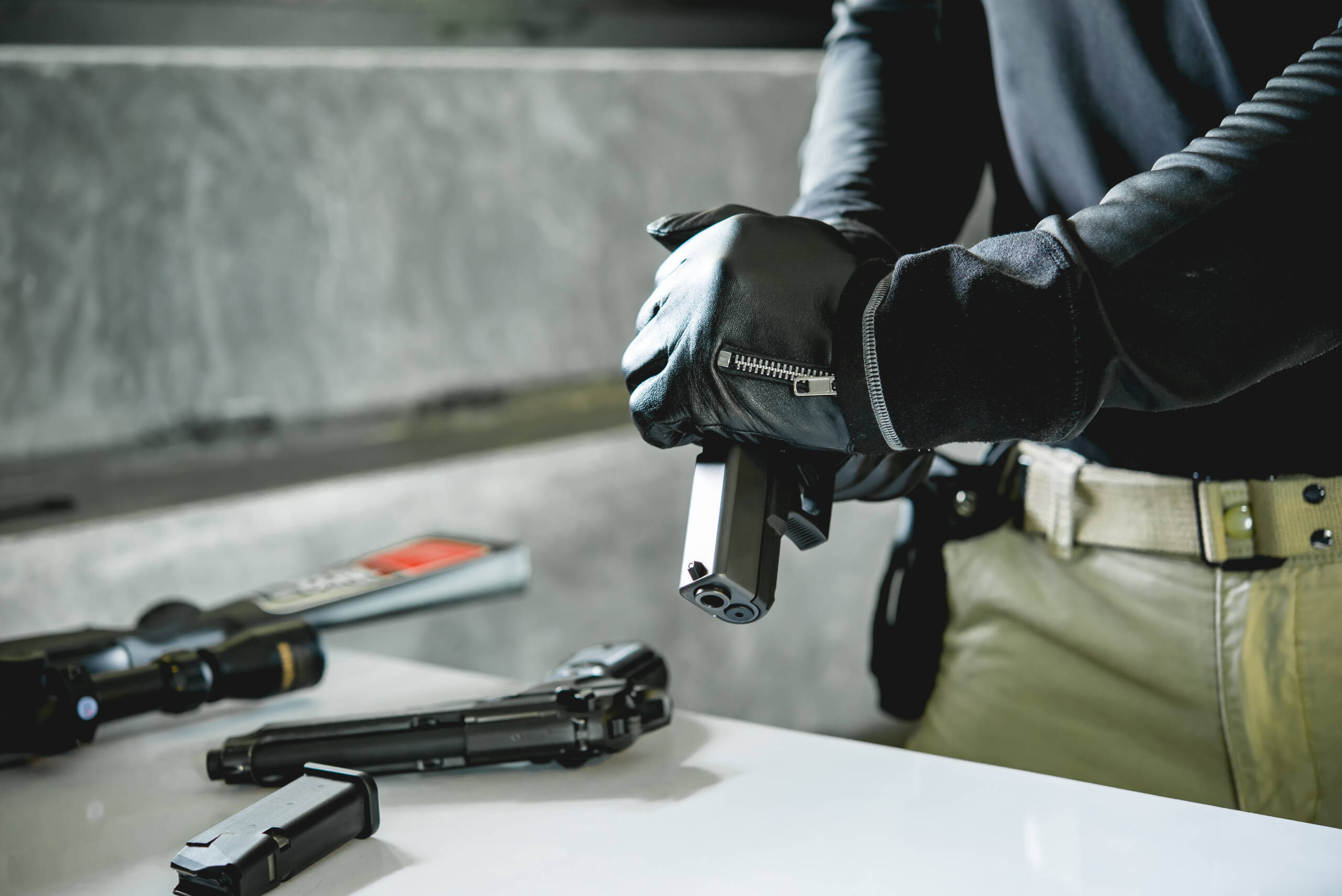
Security teams operate in environments where presence alone is not always enough to maintain order. They must respond to disruptive behaviour, protect property, and manage crowd dynamics while avoiding unnecessary escalation.
In this context, selecting the right less lethal weapons for security operations is a strategic decision that affects safety, liability, and operational credibility.
Modern, less-lethal solutions for private security offer structured options that help teams manage risk without resorting to high-impact force.
From 37 mm launch platforms to engineered impact and irritant munitions, today’s systems offer predictable performance and scalable response.
Understanding how to evaluate these options ensures that security force equipment aligns with mission demands and organizational standards.
Understanding the Role of Less Lethal Weapons for Security
Less lethal weapons for security fill the space between verbal direction and lethal intervention. These systems are designed to influence behaviour, control movement, and stabilize volatile situations while significantly reducing the likelihood of fatal or permanent injury compared with traditional firearms.
Security teams rely on these tools in environments such as event venues, critical infrastructure sites, transportation hubs, and industrial facilities. The goal is not to inflict harm but to create controlled outcomes.
Manufacturers such as Less Lethal DefenX design ammunition and launcher systems that emphasize consistent performance, predictable energy transfer, and operational reliability.
Defining Operational Requirements Before Selection
Choosing the best less lethal tools for security teams begins with a clear understanding of operational requirements.
Each environment presents different challenges. A high-density crowd scenario demands area control capabilities, while a perimeter breach may require precise impact intervention.
Security leaders should evaluate:
- The typical scale of incidents encountered
- The density and layout of operational environments
- The need for distance-based response options
- Compatibility with existing security force equipment
- Accountability and documentation requirements
Defining these variables prevents reactive procurement and supports deliberate equipment selection.
Categories of Less Lethal Solutions for Private Security
Modern less lethal solutions for private security fall into several core categories. Each serves a specific operational function.
Impact and Kinetic Projectiles
Impact munitions, including baton and sponge rounds, deliver blunt energy designed to influence behaviour without penetration. Engineers configure these projectiles to carefully manage energy transfer, reducing the risk of lasting harm while maintaining effectiveness.
Security teams often deploy kinetic impact options when a targeted response is required to address isolated aggression. The predictability of energy delivery and engagement distance is critical when selecting these rounds.
Irritant and Chemical Agent Rounds
Irritant rounds containing agents such as oleoresin capsicum disperse a controlled cloud to disrupt sensory function and encourage movement or dispersal. These munitions are particularly useful in managing larger groups where direct contact would increase risk.
Agencies and private security organizations select irritant-based systems when area effect is necessary to stabilize a situation without engaging physically.
Signalling and Specialty Munitions
Signalling rounds, smoke projectiles, and related specialty devices support communication and area control. They help mark positions, direct movement, or create visual barriers in complex environments. These tools complement impact and irritant systems within a coordinated response framework.
Evaluating Launcher Platforms and Compatibility
Less lethal ammunition requires compatible delivery systems. Among the most widely adopted platforms are 37 mm launchers. Historically associated with flare and smoke signalling, modern 37 mm systems now function as versatile components of advanced defence solutions.
When selecting launcher platforms, security teams should assess:
- Smoothbore design compatibility with diverse munitions
- Durability under repeated deployment
- Predictable trajectory and dispersal accuracy
- Ease of integration with current equipment
Proper integration between launcher and ammunition ensures consistent performance within defined engagement distances. Manufacturers such as Less Lethal DefenX emphasize system compatibility and controlled energy delivery across their product range.
Quality Control and Manufacturing Standards
The best less-lethal tools for security teams reflect strong manufacturing discipline. Each cartridge or projectile must meet precise specifications before distribution. Inconsistent performance increases liability and undermines operational confidence.
Less Lethal DefenX outlines a structured production process that prioritizes quality assurance at every stage. By choosing equipment developed under stringent quality control standards, security organizations reduce variability and support predictable outcomes during deployment.
Aligning Equipment with Use-of-Force Frameworks
Less lethal weapons for security must align with structured use-of-force frameworks. Security teams operate under policies that require proportional response and accountability. Equipment selection should reinforce these principles.
Modern less lethal systems provide defined energy ranges and dispersal characteristics. This predictability allows organizations to establish clear deployment thresholds and document decision-making effectively.
Selecting tools that integrate seamlessly into existing protocols strengthens organizational oversight and reduces exposure to reputational risk.
Scalability and Modular Capability
Security environments evolve. The best less lethal tools for security teams support scalability and modular integration. A launcher platform that accepts multiple ammunition categories allows teams to adapt responses to specific circumstances without replacing core equipment.
For example, a 37 mm system compatible with impact, irritant, and signalling rounds provides flexibility across varied operational scenarios. This modularity extends the lifespan of security force equipment and enhances overall operational agility.
Considering Long-Term Value and Sustainability
While upfront cost matters, long-term value defines a successful security equipment upgrade. Durable platforms, reliable ammunition performance, and compatibility with evolving munitions reduce replacement frequency and maintenance demands.
Less lethal solutions for private security often offer extended service life and reduced performance variability. By investing in systems built for consistency and integration, organizations improve both fiscal efficiency and mission readiness.
Building a Structured Selection Process
A complete guide to choosing the right less lethal weapon must include a structured evaluation process. Security leaders should:
- Conduct an operational risk assessment.
- Identify performance gaps in current equipment.
- Review manufacturer credentials and product documentation.
- Evaluate compatibility with existing platforms.
- Confirm quality control and reliability standards.
- Align selected systems with internal protocols.
This disciplined approach ensures that procurement decisions enhance operational stability rather than introduce unnecessary complexity.
The Importance of Manufacturer Expertise
Choosing advanced defence solutions requires confidence in the manufacturer’s expertise. Companies such as Less Lethal DefenX bring decades of experience in engineering less lethal ammunition and delivery systems.
Their emphasis on consistent effect and predictable performance reflects an understanding of real-world operational demands.
Selecting equipment from established manufacturers strengthens supply continuity and ensures access to compatible ammunition as operational requirements evolve.
Conclusion
Choosing the right less lethal weapons for security teams is not a simple procurement exercise. It is a strategic decision that affects operational control, organizational accountability, and long-term effectiveness. By evaluating mission requirements, assessing platform compatibility, and prioritizing quality manufacturing standards, security organizations can identify the best less lethal tools for security teams within a structured framework.
Modern, less-lethal solutions for private security, including versatile 37 mm systems and engineered impact and irritant munitions, offer scalable options for managing complex environments. When selected deliberately and integrated thoughtfully, these systems enhance operational resilience and reinforce responsible force management.
For detailed information on available less-lethal weapons for security and compatible ammunition platforms, explore our full product range and assess how a structured equipment upgrade can support your operational objectives.