How to Choose the Right Less Lethal Self-Defence Tool for Public Order
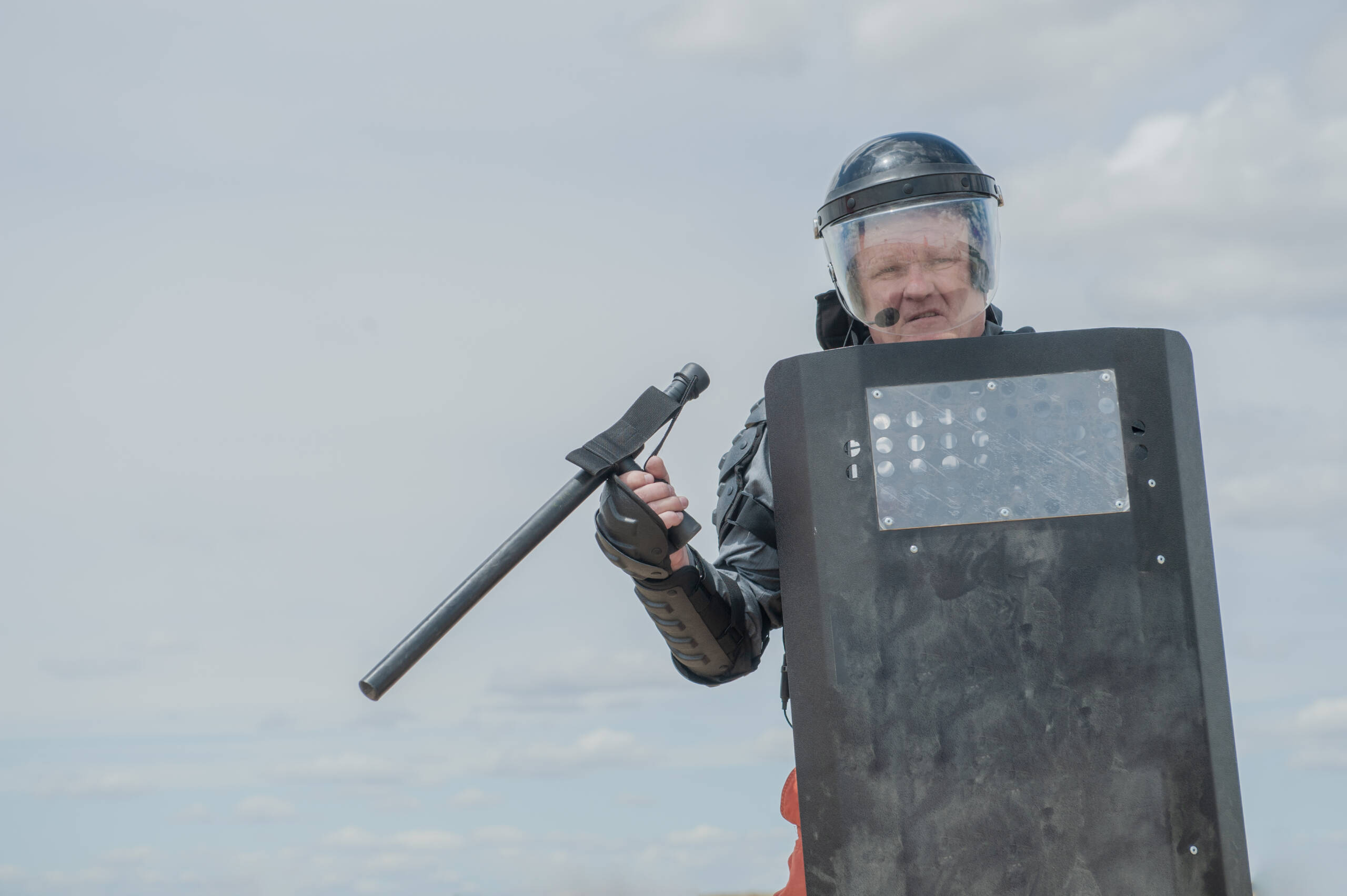
Public order challenges are more complex than ever. From large demonstrations to border security concerns, authorities need practical tools that protect both communities and responders.
But with so many less lethal self-defence options available, from pepper-based devices to launchers and distraction systems, how do you decide which one is right for your situation?
The key is understanding the purpose, range, and impact of each tool, and matching it to the environment where it will be used.
Step 1: Define the Purpose
Every less lethal tool is designed with a specific scenario in mind.
- Crowd management: Look for tools that disperse large groups effectively without escalating to violence.
- Border security or checkpoints: Consider devices that allow precision targeting and extended range.
- Close-range disturbances: Tools that offer quick deployment in tight spaces are essential.
Having clarity about the purpose helps narrow down the right choice.
Step 2: Consider Range and Precision
One of the most critical factors is distance.
- Short-range tools like handheld pepper devices or compact blast grenades are suited for confined urban settings.
- Medium-range tools like muzzle rounds can cover tens of meters while keeping officers at a safe distance.
- Long-range or aerial systems can disperse pepper or distraction charges across large crowds with precision.
Choosing based on distance ensures safety for both officers and the public.
Step 3: Evaluate the Level of Impact
Less lethal does not mean harmless. Each device is designed to incapacitate temporarily, with varying levels of intensity.
- Low-impact deterrents: Ideal for protests or scenarios requiring minimal escalation.
- Moderate deterrents: Suitable for high-risk situations where stronger compliance is needed.
- High-intensity munitions: Best for riot response or border breaches where larger threats must be neutralized quickly.
Impact should always be balanced with human rights considerations and the principle of proportionality.
Step 4: Reliability in Real-World Conditions
Weather, storage, and long-term readiness matter. Modern devices are tested to withstand extreme temperatures, long shelf lives, and repeated use. When choosing, ask:
- Does the tool work in both hot and freezing climates?
- Is the shelf life long enough for cost-effective storage?
- Can it be deployed quickly without technical failure?
Step 5: Look at Integration Options
Some of the most versatile tools can be integrated into standard platforms:
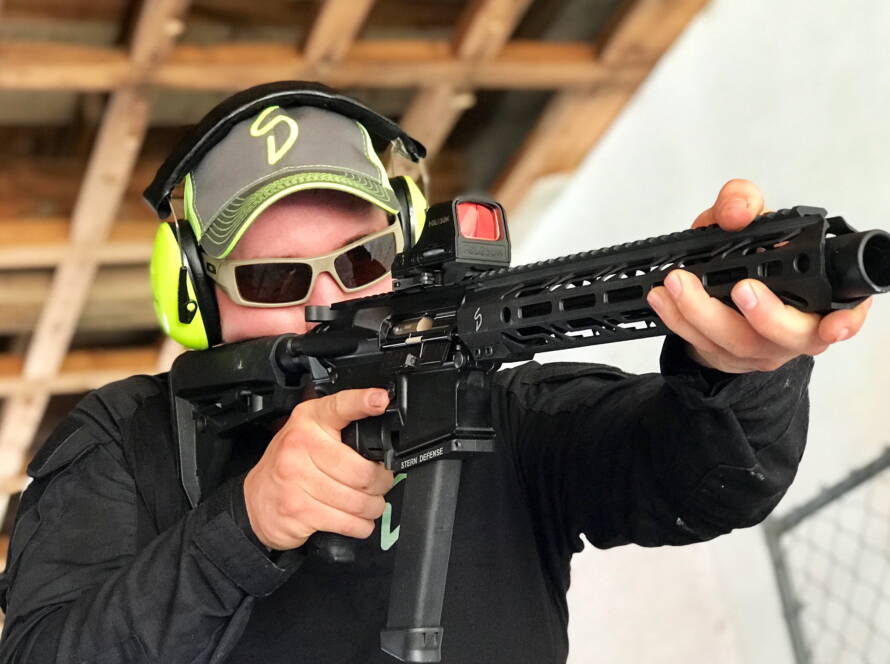
- Rifle uppers allow law enforcement to adapt existing firearms for non-lethal use.
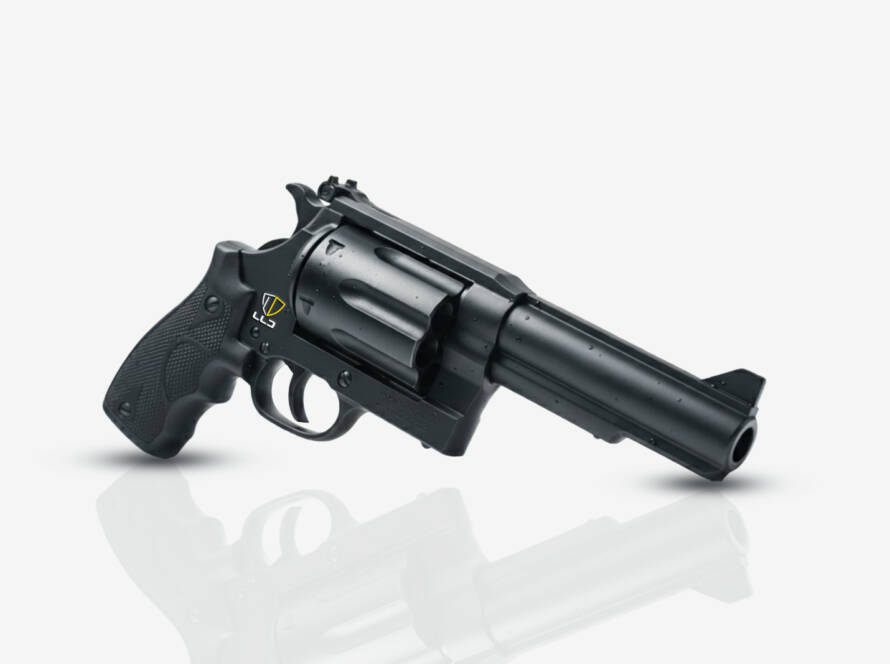
- Launchers and revolvers can handle multiple types of munitions, offering flexibility.
This integration helps agencies maximize existing investments while expanding capabilities.
Wrapping Up
The right less lethal self-defence tool is the one that fits the mission, environment, and ethical responsibility of the operator.
By considering purpose, range, impact, reliability, and integration, decision-makers can select solutions that protect public order without compromising human dignity.
Less lethal technology is not about being less effective; it’s about being more responsible, more precise, and more aligned with the needs of modern security.
Join the movement towards responsible defence with Less Lethal DefenX. Contact us today to make your force and community safe with our protective tools.