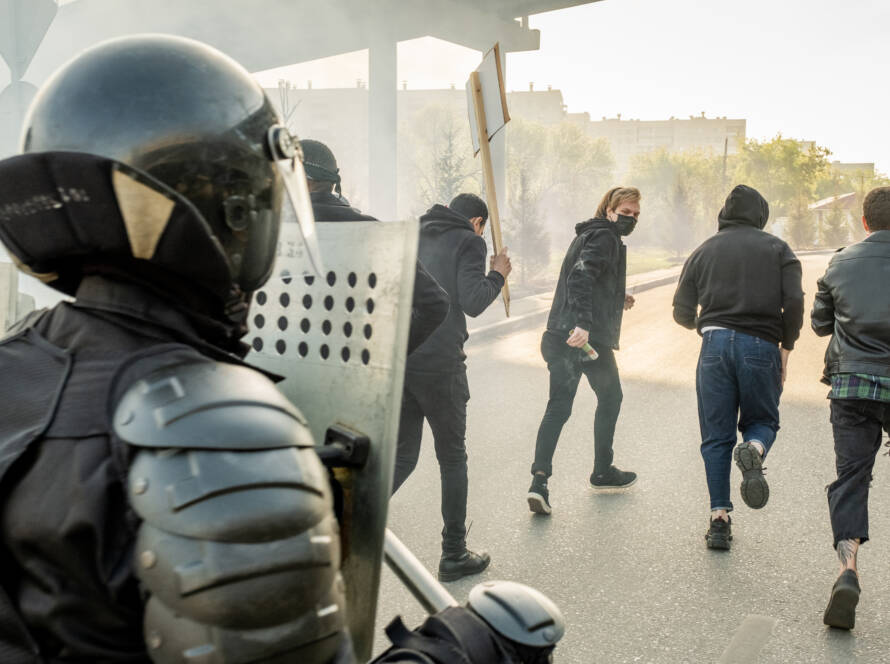
As more organizations turn to alternatives to firearms, the market for less lethal weapons has expanded rapidly.
This category includes tools such as batons, pepper rounds, kinetic impact devices, 37mm launchers, and electrical control devices.
While these products are designed to reduce risk, buying and using them still carries important legal responsibilities.
Before investing in any less-lethal protective gear, agencies must understand the laws governing ownership, storage, transportation, and practical use.
This guide outlines the key considerations to ensure safe, lawful, and responsible adoption.
What Counts as a Less-Lethal Weapon?
A less-lethal weapon is any device designed to control, deter, or incapacitate a threat while minimizing the chance of long-term injury.
Examples include:
- Pepper spray and OC aerosol systems
- Distraction Devices
- Rounds
- 37mm less-lethal launchers
- Rubber or foam baton rounds
Although these tools offer lower risk than firearms, improper use can still result in injury or legal consequences.
Understanding Local and Federal Regulations
1. Ownership Laws Vary by Region
Some jurisdictions treat legal, less lethal weapons similarly to standard self-defence tools. Others categorize them alongside firearms and require background checks, permits, or training certification.
Before purchasing, check the requirements related to:
- Age restrictions
- Permits or licensing
- Approved munitions
- Storage regulations
2. Public Carry Rules
Carrying less-lethal equipment in public may be restricted.
Even if ownership is allowed, transport might require locked cases or a clear intent to use lawfully.
3. Using Less-Lethal Force
Most regions define acceptable use based on a reasonable threat.
Use of force, even with less-lethal tools, must meet legal standards for:
- Defence of property
- Emergency response
Improper or excessive force can still lead to civil or criminal liability.
Purchasing Less-Lethal Protection Gear Responsibly
Training Matters
Owning less-lethal equipment without proper training can be dangerous.
Training ensures users understand distance requirements, target zones, and safe deployment practices.
Buy from Reputable Sellers
Reliable manufacturers and distributors ensure products meet safety standards and legal requirements.
They often provide documentation, manuals, and training materials.
Keep Documentation
Retain:
- Purchase receipts
- Product manuals
- Permit documentation
- Safety certifications
Balancing Safety and Accountability
Less-lethal devices are valuable because they enable organizations to defend themselves while reducing the likelihood of severe harm.
But with ownership comes responsibility. Understanding the legal side ensures that defence decisions remain ethical, safe, and compliant.
Final Thoughts
Whether correctional teams, border patrol teams, police, the military, or security organizations are buying less-lethal protection gear, legal awareness must be the priority.
Laws evolve, products evolve, and expectations for responsible use remain high.
Taking time to understand these requirements ensures safer communities and more accountable, less lethal defence practices.