Public safety has changed significantly over the past two decades. Security professionals and law enforcement agencies are increasingly expected to resolve conflicts without escalating force. This shift has driven innovation in less-lethal defence technology, giving rise to tools that prioritize control, distance, and de-escalation.
Brands like Less Lethal DefenX operate within this evolving landscape by focusing on responsible defensive solutions that reduce the risk of permanent harm while maintaining effectiveness. Understanding how less-lethal tools have evolved helps users make informed decisions and use them appropriately.
From Physical Force to Distance-Based Control
Traditional crowd control and personal defence methods relied heavily on physical contact. Batons, restraints, and direct engagement placed both responders and subjects at higher risk of injury.
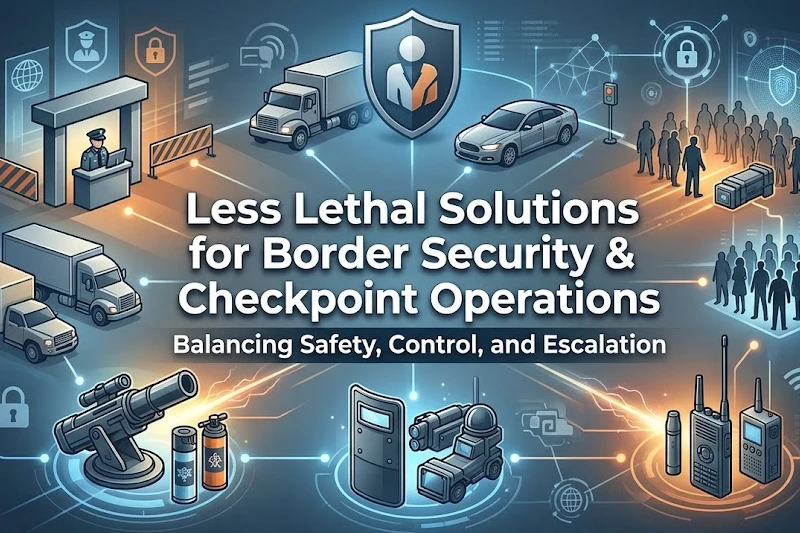
Modern less-lethal tools changed this dynamic by introducing distance-based intervention. Launchers, pepper delivery systems, and impact munitions allow responders to maintain space while influencing behaviour. Distance improves safety for everyone involved and reduces emotional escalation during high-stress encounters.
This evolution reflects a broader understanding that safety outcomes improve when force is applied predictably and proportionately.
Why Less-Lethal Does Not Mean Less Effective
A common misconception is that less-lethal tools are weak or unreliable. In practice, effectiveness is measured by behavioural outcomes, not physical damage.
Less-lethal systems are designed to:
- Interrupt aggressive actions
- Encourage compliance
- Create time and space for resolution
- Reduce prolonged confrontation
When deployed correctly, these tools often resolve incidents faster than hands-on methods, especially in crowd or perimeter scenarios.
The Role of Engineering and Design
Advancements in materials, pressure regulation, and projectile design have significantly improved performance consistency. Modern launchers and munitions are engineered to deliver predictable energy levels and controlled dispersal patterns.
For example, improvements in polymer casings and payload stability reduce unpredictable behaviour during deployment. This engineering focus supports safer outcomes and improves operator confidence.
Use-of-Force Continuum and Policy Alignment
Public safety organizations operate within structured use-of-force models. Less-lethal tools occupy a critical middle ground between verbal commands and lethal force.
They allow responders to:
- Scale force appropriately
- Demonstrate restraint
- Align with policy and oversight expectations
This alignment matters not only operationally but also legally and ethically. Public trust is strengthened when force options are proportional and well-documented.
The Future of Less-Lethal Defense
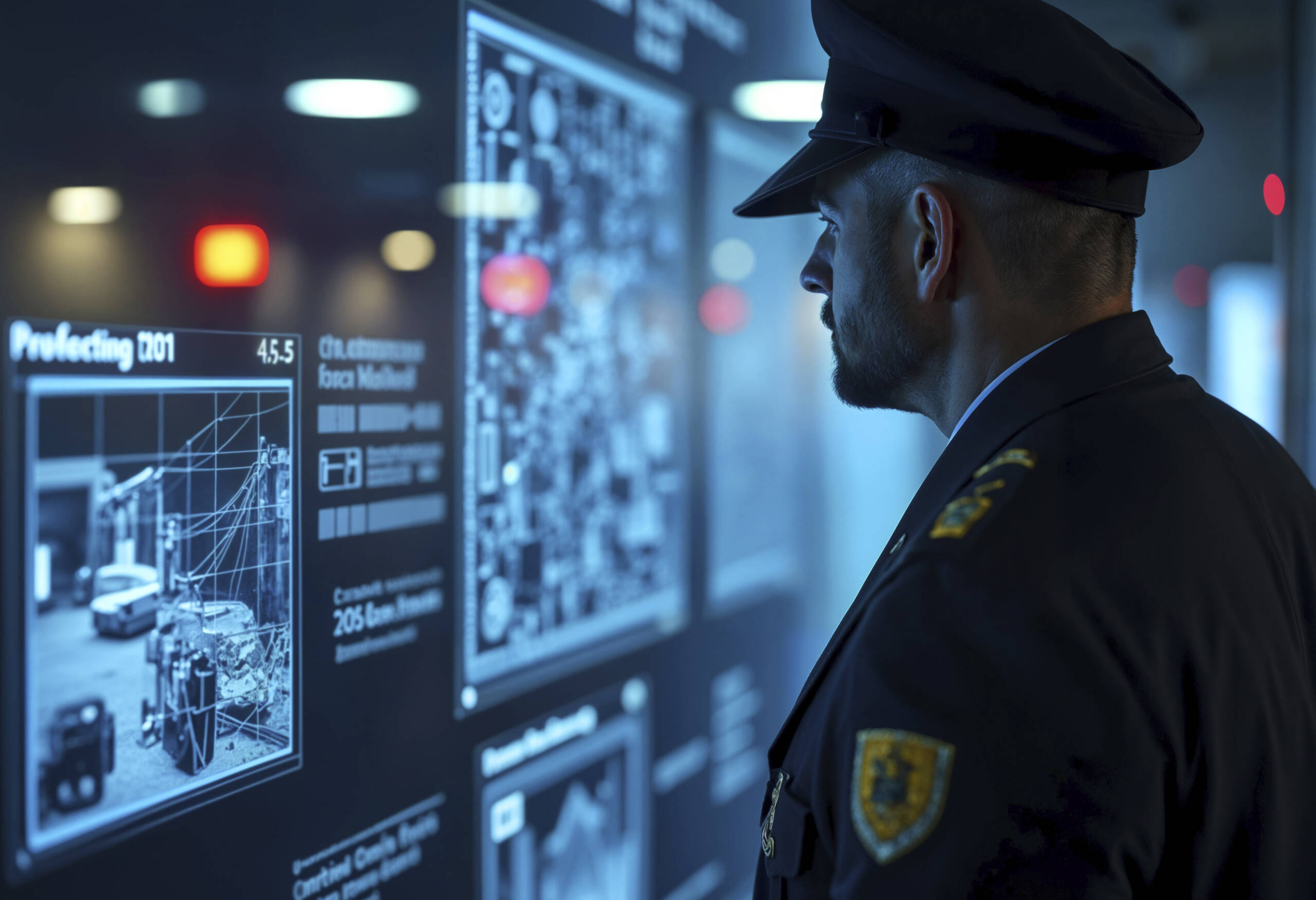
The future of less-lethal defence is likely to focus on improved accuracy, reduced environmental impact, and enhanced accountability. Data tracking, body-worn camera integration, and smarter deployment systems are already influencing product development.
As public expectations continue to evolve, less-lethal tools will remain central to responsible security and protection strategies.
Conclusion
The evolution of less-lethal defence tools reflects a broader commitment to safety, restraint, and professionalism.
By prioritizing distance, predictability, and modern solutions, we can resolve conflict without unnecessary harm.
Less Lethal DefenX represents this shift toward thoughtful, responsible defensive technology designed for today’s complex security environments.