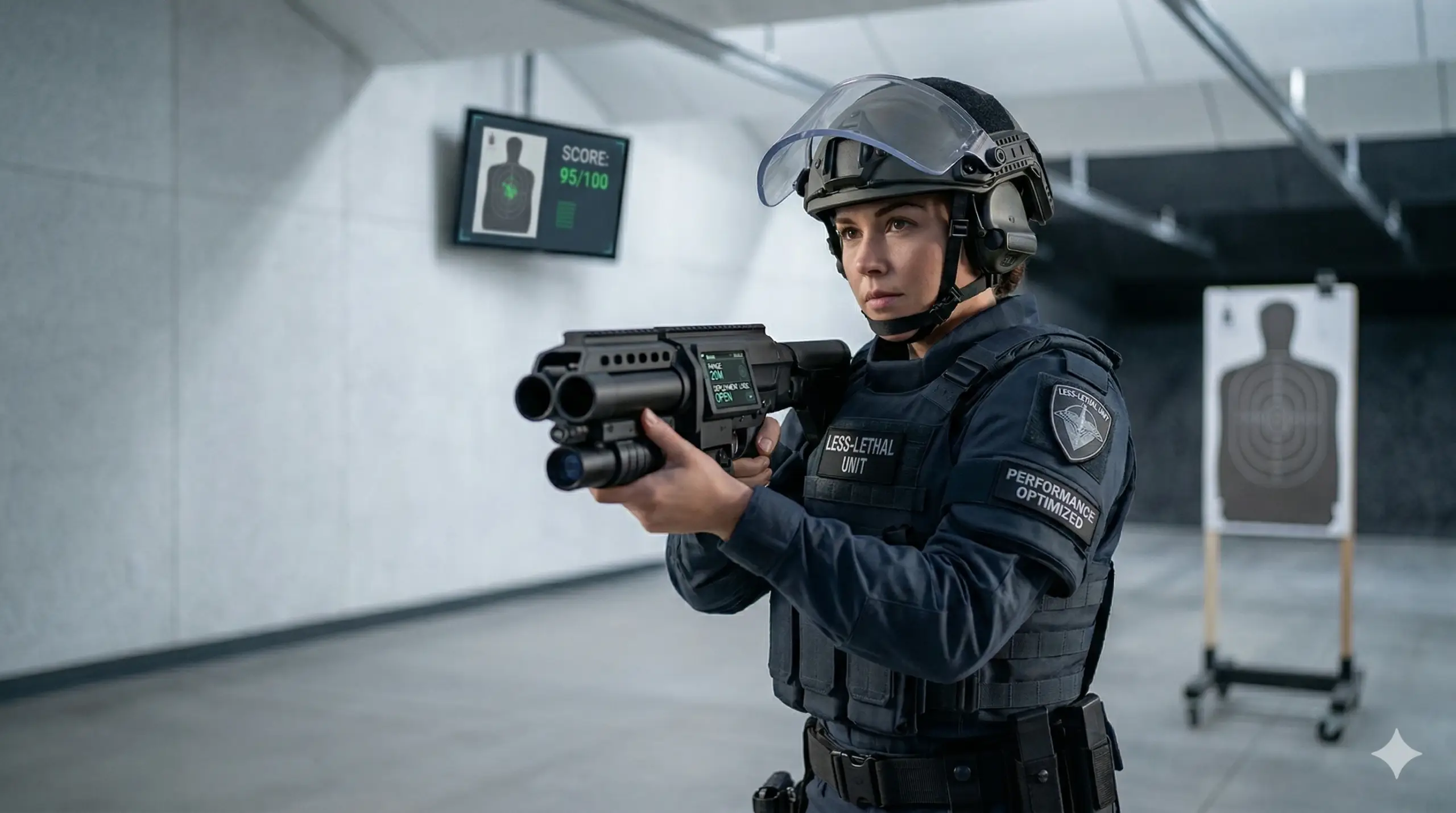
Not all less-lethal systems perform equally well. While many tools fall under the same category, their effectiveness depends on design, engineering, and integration. High-performance systems deliver consistent results, support operational clarity, and reduce uncertainty during deployment.
Understanding what defines a high-performance less-lethal system helps agencies make informed decisions when selecting equipment. It also ensures that operational outcomes align with expectations rather than chance.
Defining Performance in Less-Lethal Systems
Performance in less-lethal systems is not measured solely by force. It is defined by:
- Predictability
- Consistency
- Control
- Reliability
A system that performs consistently allows operators to anticipate outcomes and apply force proportionately.
The Importance of Controlled Energy Transfer
Energy transfer is one of the most critical factors in the design of less-lethal systems. Too little energy reduces effectiveness. Too much increases risk.
High-performance systems manage energy transfer precisely. This ensures that projectiles:
- Influence behaviour effectively
- Maintain consistent impact profiles
- Reduce variability across deployments
Manufacturers achieve this through material selection, projectile design, and strict production standards.
Consistency in Ammunition Design
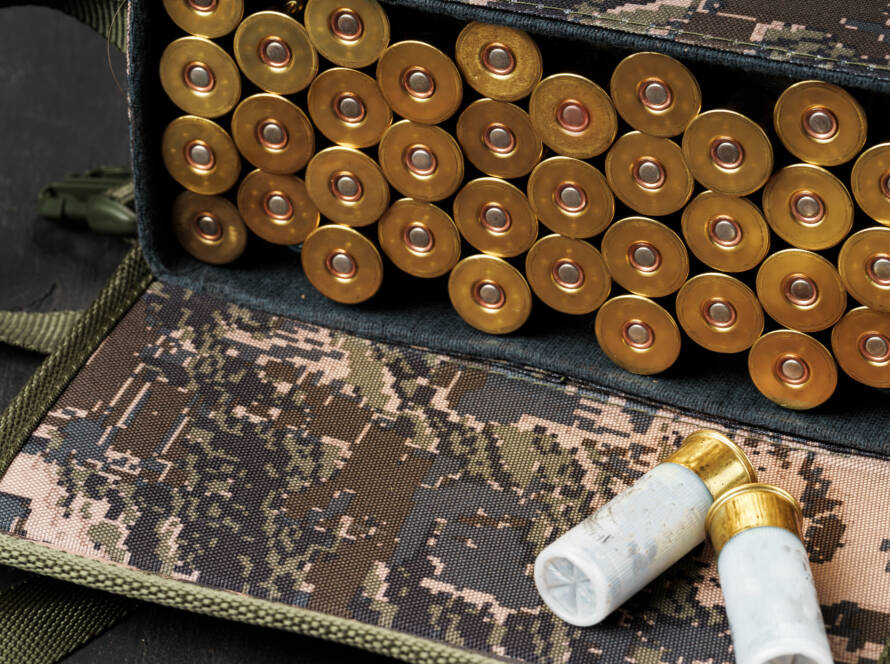
Ammunition consistency directly affects system reliability. Variations in weight, shape, or propellant can alter trajectory and performance.
High-quality, less-lethal ammunition delivers:
- Uniform velocity
- Stable flight patterns
- Predictable dispersal
Less Lethal DefenX emphasizes controlled manufacturing processes that ensure each cartridge meets defined specifications. This consistency reduces uncertainty in operational environments.
Launcher and Ammunition Integration
A less-lethal system must function as a complete unit. Launchers and ammunition cannot be evaluated separately.
High-performance systems integrate:
- Chamber design with ammunition specifications
- Barrel configuration with projectile stability
- Pressure systems with energy output
This integration ensures that each round performs as intended when deployed.
Durability and Structural Integrity
Operational environments place stress on equipment. High-performance systems maintain reliability under repeated use.
Durability includes:
- Reinforced materials
- Stable barrel alignment
- Secure locking mechanisms
- Resistance to environmental conditions
Reliable construction supports long-term performance and reduces maintenance demands.
Predictable Trajectory and Accuracy
Accuracy is not only about hitting a target. It is about ensuring that projectiles travel in expected paths.
High-performance, less-lethal systems provide:
- Stable trajectory
- Defined engagement distances
- Consistent dispersal zones
Predictability allows operators to make informed decisions and reduces the likelihood of unintended effects.
Read More: Understanding 37mm and 9mm Less-Lethal Launchers
Versatility Across Operational Scenarios
The best less-lethal systems adapt to different environments. A single platform that supports multiple ammunition types increases operational flexibility.
Versatile systems allow deployment of:
- Impact munitions
- Irritant rounds
- Smoke projectiles
- Signalling devices
This adaptability reduces the need for multiple platforms and simplifies logistics.
Quality Control as a Performance Driver
Quality control is not a secondary factor. It defines system reliability.
High-performance manufacturers implement:
- Multi-stage inspection processes
- Material verification
- Performance testing
Less Lethal DefenX follows structured production standards to ensure that each product meets operational requirements before distribution.
Reducing Operational Uncertainty
Uncertainty increases risk. High-performance systems reduce uncertainty by delivering consistent results.
When equipment behaves predictably, agencies can:
- Plan responses more effectively
- Maintain proportionality
- Reduce escalation
- Improve accountability
Consistency supports both operational success and organizational oversight.
Long-Term Value and System Longevity
High-performance systems provide long-term value through durability and adaptability. Investing in reliable equipment reduces replacement frequency and supports sustained operational capability.
Systems designed for compatibility with evolving ammunition categories remain relevant as requirements change. This future readiness strengthens overall efficiency.
Conclusion
High-performance less-lethal systems are defined by precision, consistency, and integration. They deliver controlled energy, predictable outcomes, and reliable performance across varied environments.
By focusing on design quality, ammunition consistency, and system integration, agencies can select equipment that supports both operational effectiveness and accountability. Manufacturers such as Less Lethal DefenX demonstrate how engineering discipline and quality control shape dependable less-lethal solutions.
Selecting the right system is not about choosing a tool. It is about choosing a performance standard that aligns with the demands of modern operations.