Crowd control has evolved into a structured discipline that requires precision, restraint, and accountability. Security agencies no longer rely solely on physical presence or on concentrating force. Instead, they implement layered strategies that combine planning, communication, and controlled intervention.
Less-lethal technology now plays a central role in this evolution. Modern systems enable agencies to influence movement, manage density, and stabilize environments without escalating to high-impact force. Understanding how these tools fit into a broader crowd-control strategy is essential to effective operations.
Understanding Crowd Control as a System
Crowd control is not a single action. It is a coordinated system that includes:
- Movement management
- Space control
- Behavioural influence
- Risk reduction
Less-lethal systems support each of these elements by providing structured response options. They allow agencies to act early, rather than reacting after conditions deteriorate.
Why Less-Lethal Technology Matters in Crowd Environments
High-density environments introduce unique risks. Movement becomes unpredictable, communication weakens, and small disruptions can escalate quickly.
Less-lethal technology addresses these challenges by enabling:
- Controlled area influence
- Distance-based engagement
- Gradual escalation of response
- Reduced reliance on physical intervention
These capabilities help maintain stability without triggering panic or secondary incidents.
Managing Movement Through Area Influence
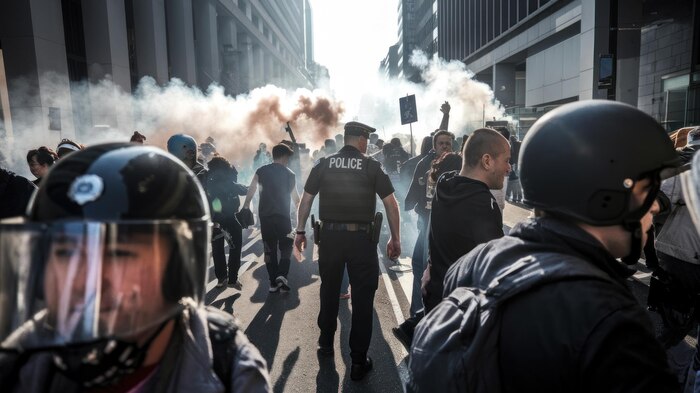
One of the most important functions of modern crowd control solutions is guiding movement rather than stopping it. When crowds compress or surge, risk increases significantly.
Less-lethal systems such as irritant dispersal rounds and smoke projectiles allow operators to:
- Redirect flow away from high-risk zones
- Break up congestion points
- Create temporary barriers
- Restore spacing within dense groups
This approach reduces pressure within the crowd and prevents uncontrolled escalation.
Supporting Distance-Based Engagement
Maintaining distance is critical in crowd control. Close-contact methods often increase tension and reduce reaction time.
Less-lethal launch systems provide:
- Defined engagement distances
- Predictable dispersal patterns
- Reduced physical confrontation
Distance allows decision-makers to assess conditions more clearly and apply proportionate responses.
Integrating Multiple Response Options
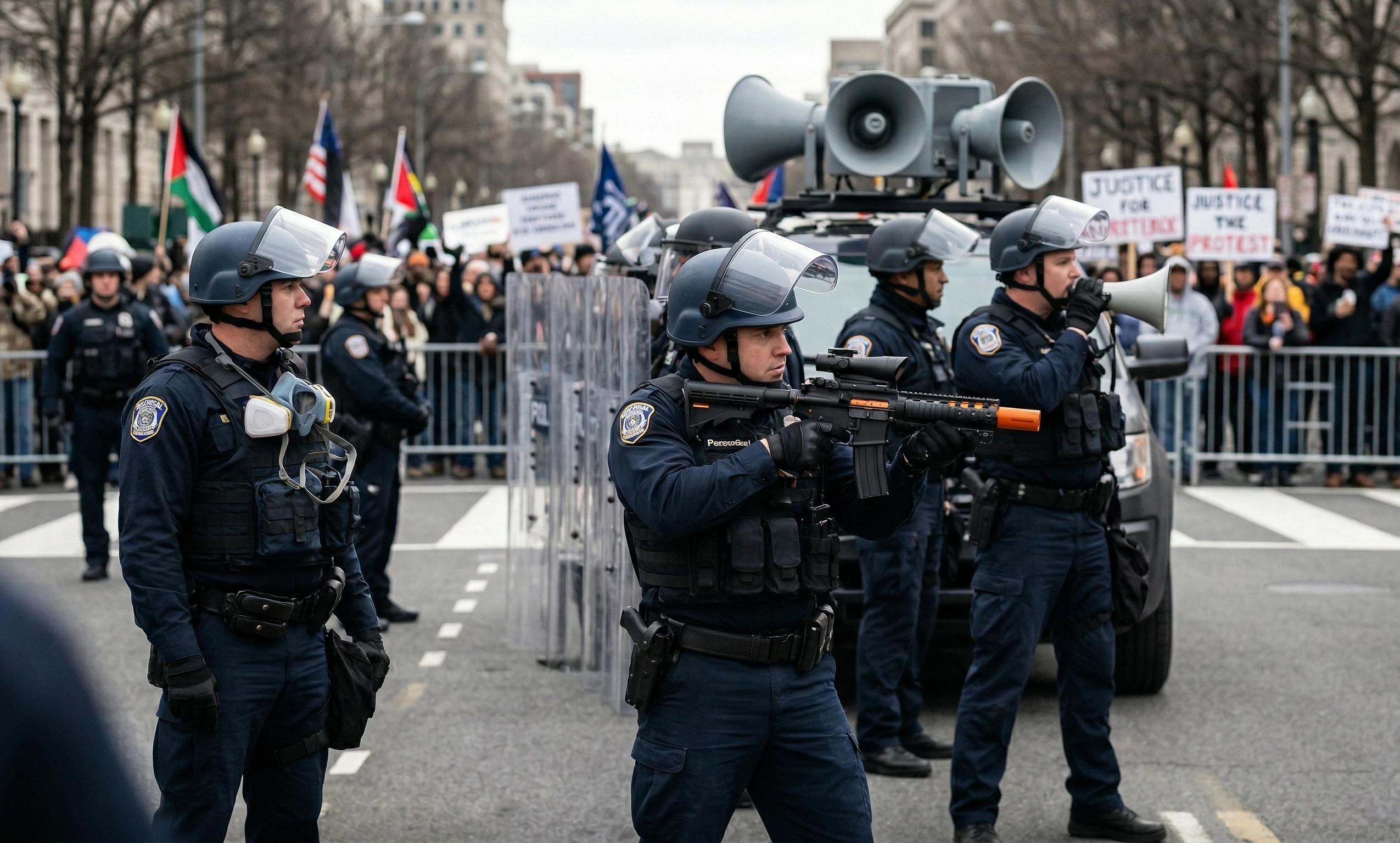
Modern crowd control strategies rely on layered responses rather than a single method. Less-lethal systems support this by offering multiple ammunition types on a single platform.
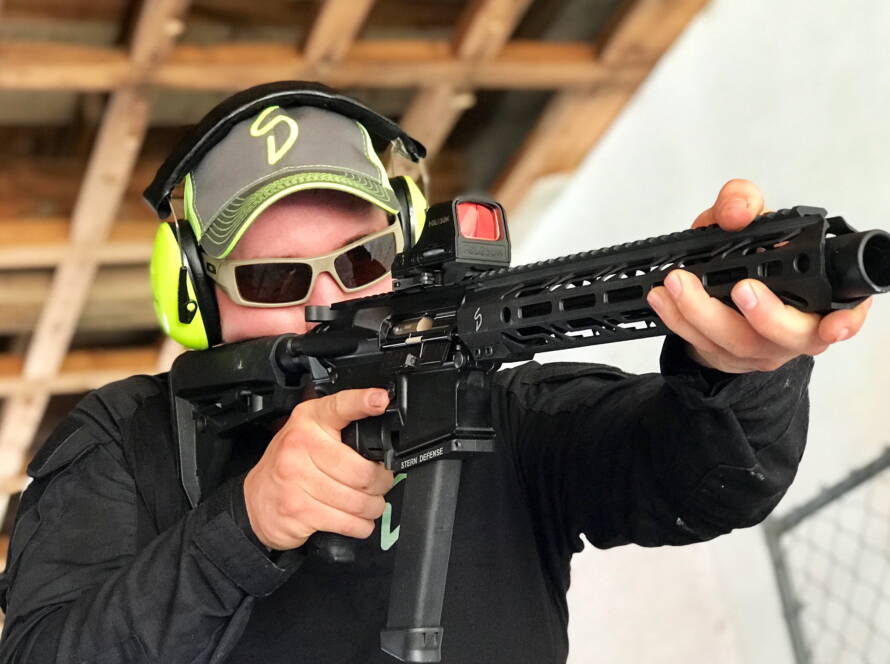
For example, a 37mm launcher system can deploy:
- Irritant rounds for area dispersal
- Impact munitions for targeted intervention
- Smoke rounds for visual control
- Signaling rounds for coordination
This versatility allows agencies to adapt quickly without changing equipment.
Reducing Escalation Risk
Escalation often occurs when response options are limited. When agencies lack intermediate tools, they may move too quickly from observation to high-force intervention.
Less-lethal technology reduces this risk by:
- Expanding response options
- Allowing early intervention
- Maintaining proportionality
- Supporting controlled outcomes
By acting earlier with measured force, agencies can prevent situations from reaching critical thresholds.
Enhancing Operational Predictability
Predictability is essential in large-scale environments. Inconsistent equipment performance can lead to unintended consequences.
Modern less-lethal systems are engineered for:
- Consistent energy delivery
- Defined dispersal ranges
- Reliable projectile behaviour
Manufacturers such as Less Lethal DefenX focus on precision manufacturing and system integration. This ensures that each deployment aligns with expected outcomes.
Aligning with Accountability Requirements
Crowd control operations are subject to scrutiny and review. Agencies must demonstrate that actions were proportional and justified.
Less-lethal systems support accountability by:
- Providing measurable performance characteristics
- Enabling documented response levels
- Reducing the severity of outcomes
This alignment strengthens organizational credibility and supports defensible decision-making.
The Future of Crowd Control Solutions
Crowd control continues to evolve as expectations change. Agencies increasingly prioritize tools that combine effectiveness with restraint.
Less-lethal technology will remain central to this shift. Future systems will likely focus on:
- Greater precision
- Improved consistency
- Enhanced integration with operational planning
These advancements will further refine how agencies manage complex environments.
Conclusion
Less-lethal technology has transformed modern crowd control strategy. By enabling controlled influence, distance-based engagement, and scalable responses, these systems support safer and more effective operations.
Agencies that integrate modern crowd control solutions into their frameworks can manage dynamic environments with precision and accountability.
As operational demands continue to evolve, less-lethal systems will remain essential tools for maintaining order without unnecessary escalation.