Correctional facilities operate in highly controlled environments where maintaining order requires precision, structure, and measured response.
Unlike street-level policing, correctional operations take place in confined settings where officers must manage unpredictable behaviour within limited physical space. In these conditions, less lethal systems have become essential operational tools.
Modern correctional facilities’ less lethal systems provide officers with options that support control while reducing the likelihood of severe injury or escalation. From chemical agents and kinetic impact munitions to launcher-based systems and electronic control devices, these tools form part of a broader operational framework designed for containment, compliance, and safety.
Understanding how less lethal weapons function inside correctional environments requires more than reviewing equipment specifications. It requires understanding operational concepts, terminology, legal considerations, and environmental limitations unique to corrections operations.
Understanding Less Lethal Weapons in Corrections
Less lethal weapons are designed to influence behaviour and interrupt resistance without producing the same probability of fatality associated with lethal force. In correctional settings, these tools support officers during incidents involving aggressive inmates, coordinated disturbances, barricades, and cell extraction operations.
Unlike conventional firearms, less lethal systems focus primarily on modifying behaviour and creating opportunities for control.
According to correctional use-of-force research, less lethal tools function as transitional systems rather than finishing techniques. Their purpose is to create a tactical advantage that allows officers to regain control of the situation safely.
This distinction is important because correctional environments differ significantly from open operational settings. Officers must often resolve situations within confined cells, corridors, or housing units where movement and visibility are restricted.
Why Do Correctional Facilities Use Less Lethal Systems?
Correctional institutions rely on less lethal tools because direct physical confrontation increases operational risk for both officers and inmates. Controlled response options allow officers to influence behaviour while maintaining distance and reducing escalation.
Modern prison riot control weapons also provide flexibility during larger disturbances. Inmates may barricade housing units, refuse movement orders, or engage in coordinated resistance. In these situations, less-lethal systems allow officers to restore order without immediately escalating to lethal force.
Manufacturers focus on systems designed around controlled energy transfer, predictable deployment, and operational reliability. Their launcher systems and ammunition solutions reflect the growing emphasis on structured response options within correctional environments.
For agencies evaluating operational tools, understanding integrated launcher systems is essential. Facilities often rely on scalable platforms, such as 37mm launchers, to deploy impact, smoke, and chemical irritant rounds effectively.
More information on launcher platforms here: https://lesslethaldefenx.com/product-category/launcher.
How Do Correctional Operations Differ from Street-Level Enforcement?
The deployment of less-lethal systems within correctional facilities differs substantially from traditional patrol operations. In public environments, officers usually deploy less lethal tools while lethal force units provide cover. Inside correctional facilities, however, officers commonly rely on layered less lethal systems rather than lethal overwatch.
This distinction exists because confined environments introduce unique risks. Projectile travel, ricochet hazards, and environmental contamination become more significant in enclosed spaces. Officers must therefore choose tools that minimize unintended effects while still achieving compliance.
Correctional operations also involve prolonged contact with the same inmate population. This changes behavioural dynamics and increases the importance of proportional, measured force application.
Common Less Lethal Tools Used in Corrections
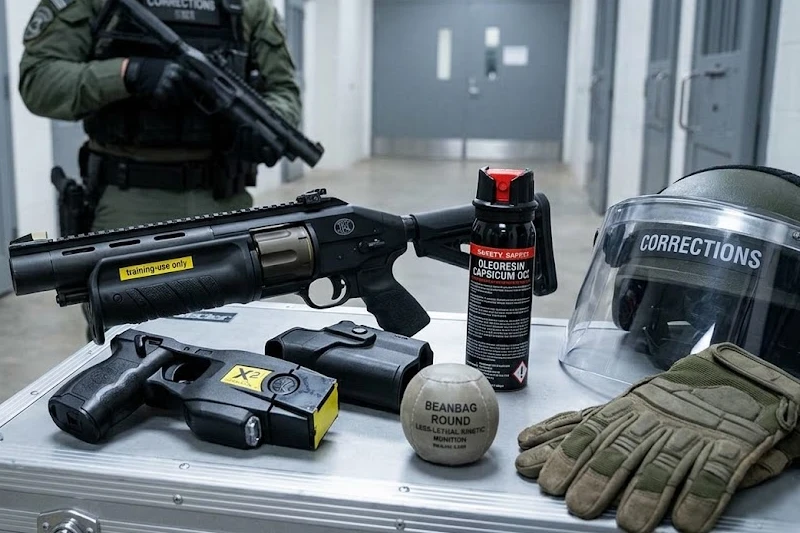
Correctional facilities use several categories of less lethal systems depending on operational requirements.
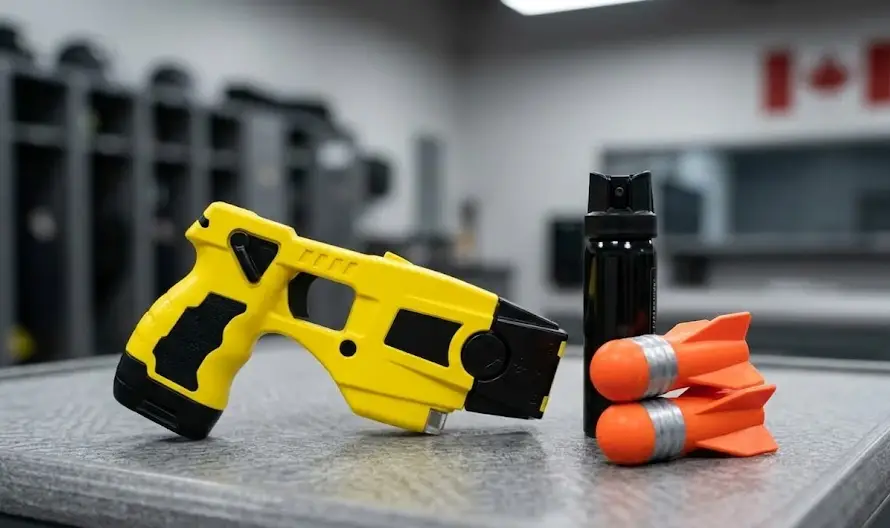
Chemical irritants remain among the most common tools. Officers use OC, CS, or blended formulations to influence behaviour during disturbances, barricades, and extraction operations. These agents create a temporary sensory disruption that encourages compliance and movement.
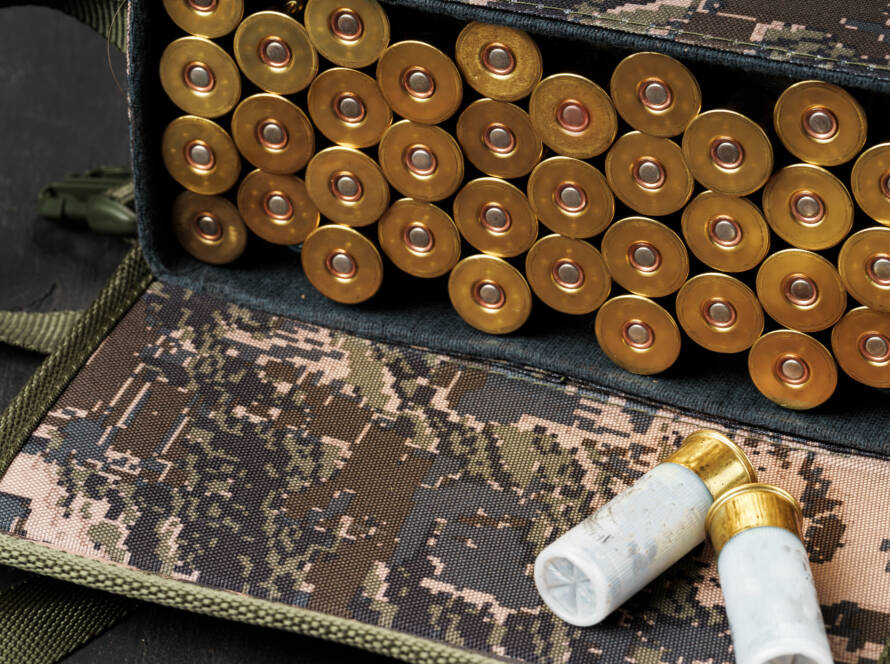
Kinetic impact munitions are also widely used. These rounds transfer controlled blunt energy designed to interrupt aggressive actions without penetration. Launcher-based systems allow officers to maintain a safe engagement distance during volatile incidents.
Electronic control devices may also be used in specific operational scenarios, particularly when rapid incapacitation is required within controlled environments.
Facilities evaluating broader equipment integration often review operational guidance for modern less-lethal systems and defence equipment.
Cell Extractions and Tactical Response
Cell extraction operations are among the most specialized applications of less-lethal systems in corrections. These situations occur when inmates refuse lawful orders, barricade themselves, or present immediate behavioural threats.
In these environments, officers may use chemical agents to create behavioural disruption before entering the cell. The purpose is not punishment but environmental control that reduces physical confrontation during extraction.
Kinetic tools may also support extraction operations when distance-based intervention becomes necessary. However, confined spaces require careful consideration of projectile behaviour and impact zones.
Correctional teams rely heavily on coordinated tactical planning because every action occurs within a limited space and under heightened scrutiny.
Chemical Agents in Correctional Facilities
Choosing the right chemical agent depends heavily on environmental conditions and operational objectives.
OC, commonly known as oleoresin capsicum, produces strong inflammatory effects involving the eyes, respiratory system, and skin. It is widely used because it acts quickly and generally dissipates effectively after ventilation.
CS gas produces stronger respiratory and sensory effects but may persist longer in enclosed spaces. Some facilities prefer blended formulations that combine OC and CS characteristics for broader behavioural influence.
The correctional environment itself often determines which formulation is most appropriate. Ventilation systems, housing density, and containment requirements all affect deployment decisions.
Importance of Integrated Less Lethal Systems
Modern correctional facilities increasingly favour integrated systems where launchers and ammunition are engineered together for predictable performance.
This integration improves reliability and reduces uncertainty during high-pressure incidents. Manufacturers emphasize compatibility between launcher systems and ammunition design to support controlled outcomes.
Facilities exploring scalable tactical systems often review broader equipment strategies before procurement decisions. More information on integrated operational solutions.
Conclusion
Less-lethal weapons in prisons serve a critical role in modern correctional operations. These systems help officers manage resistance, restore order, and maintain safety within highly controlled environments where escalation carries significant consequences.
From chemical agents and impact munitions to integrated launcher systems, correctional facility less lethal tools provide scalable response options that align with operational accountability and structured force frameworks.
As correctional environments continue to evolve, agencies increasingly prioritize systems that combine reliability, predictable performance, and controlled behavioural influence. Manufacturers such as Less Lethal DefenX reflect this shift through integrated solutions designed to support effective and responsible corrections operations.
Frequently Asked Questions
What less lethal weapons do correctional officers use in prisons and jails?
Correctional officers commonly use chemical irritants, kinetic impact munitions, launcher systems, electronic control devices, and smoke or signalling tools depending on operational requirements.
How is less lethal weapon deployment different in corrections vs. street law enforcement?
Correctional deployment occurs in confined environments where officers often rely on layered less lethal systems rather than lethal cover. Environmental containment and reduced movement space significantly affect deployment strategy.
What less lethal tools are used for cell extractions in correctional facilities?
Cell extractions often involve chemical agents, controlled impact tools, shields, and coordinated entry systems designed to reduce physical confrontation during inmate removal.
Which type of chemical agent works best in a prison environment — OC, CS, or blended?
The choice depends on ventilation, containment requirements, and operational objectives. OC is widely used for rapid inflammatory effect, while CS and blended agents may provide broader sensory disruption.
What are the medical and legal considerations for using less lethal weapons on inmates?
Facilities must evaluate medical risks, monitor exposed individuals, document all force applications accurately, and ensure that deployment aligns with legal standards governing proportional and necessary force.