Introduction
De-escalation is no longer just a concept discussed in policy manuals. It is a practical expectation placed on anyone responsible for safety and protection.
Whether in public spaces, workplaces, or private property environments, the ability to manage tension without causing injury is critical.
Less-lethal defence equipment supports de-escalation by offering controlled options when verbal communication alone is insufficient.
Understanding how these tools fit into de-escalation strategies is essential for responsible use.
What De-Escalation Really Means
De-escalation is often misunderstood as passive or non-interventionist. In reality, it involves active decision-making aimed at reducing intensity while maintaining control.
Effective de-escalation includes:
- Clear communication
- Time creation
- Distance management
- Predictable responses
Less-lethal tools offer alternatives that slow situations down rather than intensify them.
Why Distance Is a De-Escalation Tool
Physical proximity increases emotional intensity and reaction speed. Distance allows both parties to process information and reduces impulsive behaviour.
Less-lethal launchers and delivery systems enable operators to maintain safe separation while still influencing outcomes.
This distance often prevents situations from reaching a point where more severe force options are considered.
Psychological Impact of Less-Lethal Presence
The visible presence of a defensive tool can influence behaviour before deployment occurs.
When individuals recognize that a responder has controlled options available, compliance often increases.
This psychological effect supports de-escalation by reducing the need for physical intervention altogether. It is not about intimidation but about clarity and boundaries.
When Verbal Commands Are Not Enough
There are moments when verbal communication fails due to stress, impairment, or group dynamics.
Less-lethal equipment provides an intermediate response that signals seriousness without causing irreversible harm.
Used responsibly, these tools can:
- Disrupt aggressive movement
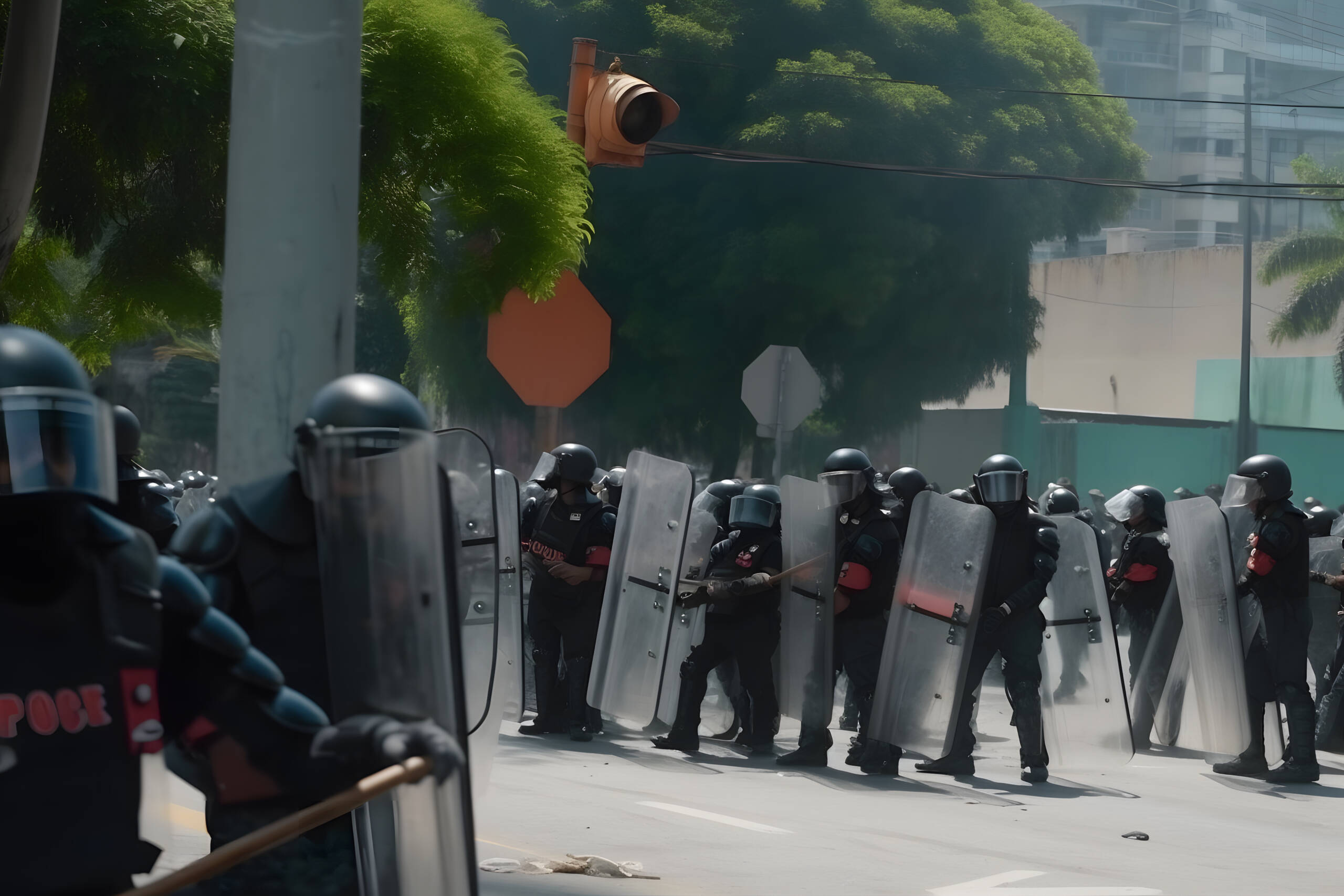
- Redirect crowd behaviour
- Protect vulnerable individuals nearby
The goal remains resolution, not punishment.
Environmental Awareness and Responsible Deployment
De-escalation requires awareness of surroundings. Wind, crowd density, and bystander presence all affect decision-making.
Responsible operators assess:
- Who may be affected indirectly
- How the environment may amplify effects
- Whether alternative tactics remain viable
Less-lethal tools are most effective when deployed thoughtfully, not reactively.
Conclusion
De-escalation is not about avoiding action. It is about choosing the right action at the right moment.
Less-lethal defence equipment supports this process by offering controlled, distance-based responses that protect everyone involved.
With sound judgement, tools from Less Lethal DefenX contribute to safer, calmer outcomes in complex situations